| 1 |
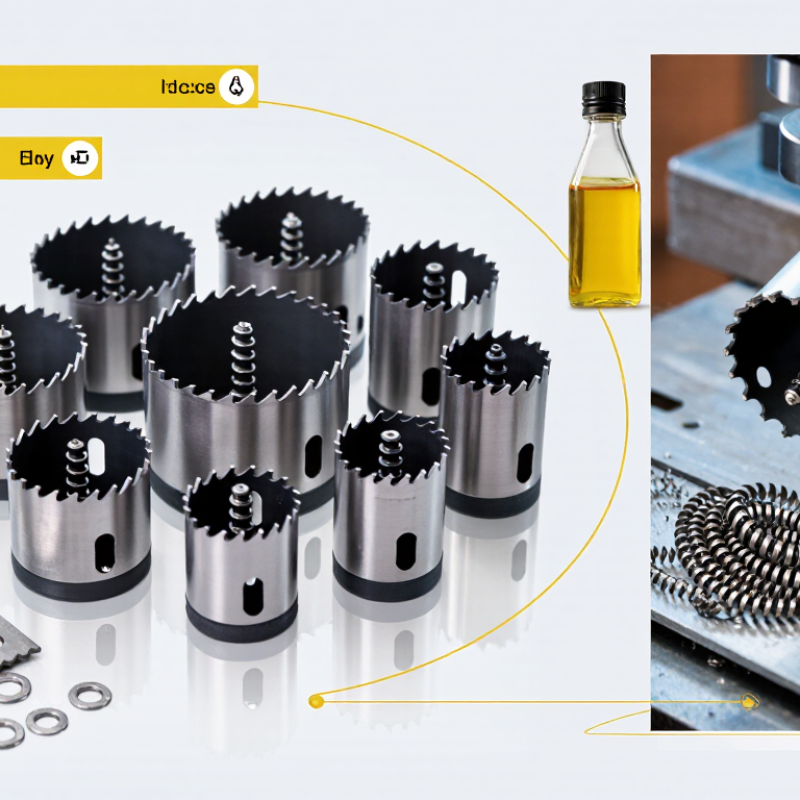
General-purpose bi-metal cobalt saw |
19–76 mm |
High-speed-steel teeth with a flexible alloy-steel body |
Sheet steel, tubing, electrical boxes, and light stainless steel |
Up to 3 mm in solid sheet; use a deep-cut design for thicker stock |
250–450 RPM |
Water-soluble cutting oil or light machine oil |
Use a pilot bit, firm feed pressure, eye protection, and a side handle. Secure the workpiece before drilling. |
Brush out chips after every cut. Replace when teeth are rounded, missing, overheated, or require excessive force. |
| 2 |
Stainless-steel bi-metal saw |
22–102 mm |
Heat-resistant cobalt-alloy cutting edge |
304 and 316 stainless steel, galvanized steel, and hard sheet metal |
Up to 3 mm for standard designs |
100–250 RPM |
Heavy-duty cutting oil; keep the cut continuously lubricated |
Use low speed and steady pressure. Do not pause while the teeth are engaged, as this can work-harden stainless steel. |
Clean and dry the saw to prevent corrosion. Replace it when cutting becomes slow despite correct speed and lubrication. |
| 3 |
Variable-pitch bi-metal saw |
19–152 mm |
Alternating tooth spacing for smoother, lower-vibration cutting |
Mixed-gauge steel, aluminum, brass, and thin-wall tubing |
Up to 3 mm in sheet metal |
200–400 RPM |
Light cutting oil for steel; wax-free lubricant for aluminum |
Apply moderate pressure and prevent the saw from rocking. Use a pilot drill suited to the material. |
Remove packed chips from the gullets. Replace when vibration, tooth chipping, or a ragged hole persists. |
| 4 |
Carbide-tipped metal hole saw |
20–100 mm |
Carbide teeth brazed to a reinforced steel cup |
Stainless steel, cast iron, hardened sheet, and abrasive alloys |
Up to 6 mm, depending on tooth depth and saw design |
80–180 RPM |
High-quality cutting oil; use dry cutting only when specifically permitted |
Use a rigid drill press or controlled hand drill. Avoid side loading, impact, and sudden feed changes. |
Inspect carbide tips for cracks or missing segments. Replace immediately if any tip is damaged or the cup is distorted. |
| 5 |
Deep-cut bi-metal hole saw |
25–127 mm |
Extended-depth alloy-steel body with bi-metal teeth |
Steel plate, structural tubing, pipe walls, and layered assemblies |
Up to 25 mm when chip clearance is adequate |
100–250 RPM |
Medium or heavy cutting oil |
Withdraw the saw periodically to clear chips. Ensure the arbor and pilot bit are rated for the increased cutting depth. |
Clean the internal cup and gullets after each use. Replace when the extended body bends or the teeth lose their set. |
| 6 |
Thin-wall sheet-metal hole saw |
16–76 mm |
Fine-pitch bi-metal teeth designed for thin stock |
Automotive panels, HVAC ducting, electrical enclosures, and light-gauge steel |
Up to 1.5 mm |
350–700 RPM |
Light cutting oil; lubrication may be reduced for very thin aluminum |
Support the panel to limit flexing. Reduce pressure as the teeth break through to avoid grabbing. |
Check for bent teeth after breakthrough. Replace if the saw produces a triangular or oversized hole. |
| 7 |
Large-diameter reinforced hole saw |
102–210 mm |
Heavy-gauge cup with reinforced back and bi-metal or carbide teeth |
Large penetrations in steel panels, ductwork, and equipment housings |
Up to 3 mm for sheet metal; verify the specified depth before use |
60–150 RPM |
Cutting oil applied to the tooth line |
Use a drill with sufficient torque, a securely clamped workpiece, and an auxiliary handle. Keep hands away from the rotating cup. |
Inspect the cup for runout and cracks. Replace if it wobbles, overheats repeatedly, or the arbor connection loosens. |
| 8 |
Carbide-grit abrasive hole saw |
19–127 mm |
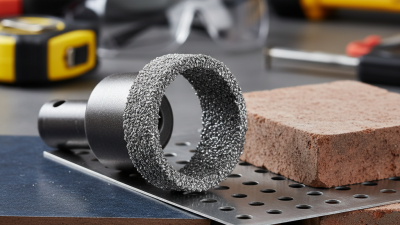
Continuous abrasive carbide-grit edge rather than conventional teeth |
Thin stainless steel, non-ferrous metal, fiberglass-faced panels, and abrasive composites |
Up to 3 mm |
150–300 RPM |
Use the cutter manufacturer's recommended lubricant; avoid excess fluid where abrasive slurry is undesirable |
Use light, consistent pressure and clear dust or slurry frequently. A dust mask may be needed for composite materials. |
Clean the abrasive edge without striking it. Replace when the grit is smooth, missing, or no longer cuts at the specified speed. |
| 9 |
Adjustable multi-diameter metal cutter |
30–120 mm adjustable range |
Replaceable cutter blades mounted on an adjustable support |
Occasional-size openings in thin steel, aluminum, and brass |
Up to 2 mm |
150–300 RPM |
Light cutting oil for steel and brass |
Confirm blade projection and fastener tightness before every cut. Use only at low speed with a stable guide. |
Replace individual blades when available. Retire the assembly if the support, guide, or adjustment mechanism is worn. |
| 10 |
Arbor-mounted annular cutter |
12–50 mm |
Short annular cutting edge that removes a ring of material |
Steel plate, structural steel, and clean holes in thicker metal |
Up to 25 mm, subject to cutter length and machine capacity |
80–180 RPM |
Cutting oil delivered directly to the cutting edge |
Use a magnetic or drill-press setup where practical. Keep the cutter perpendicular and remove the core only after rotation stops. |
Clean the pilot pin and cutting edge after use. Replace when the edge chips, the cutter binds, or the finished hole becomes tapered. |